
 Book Appointment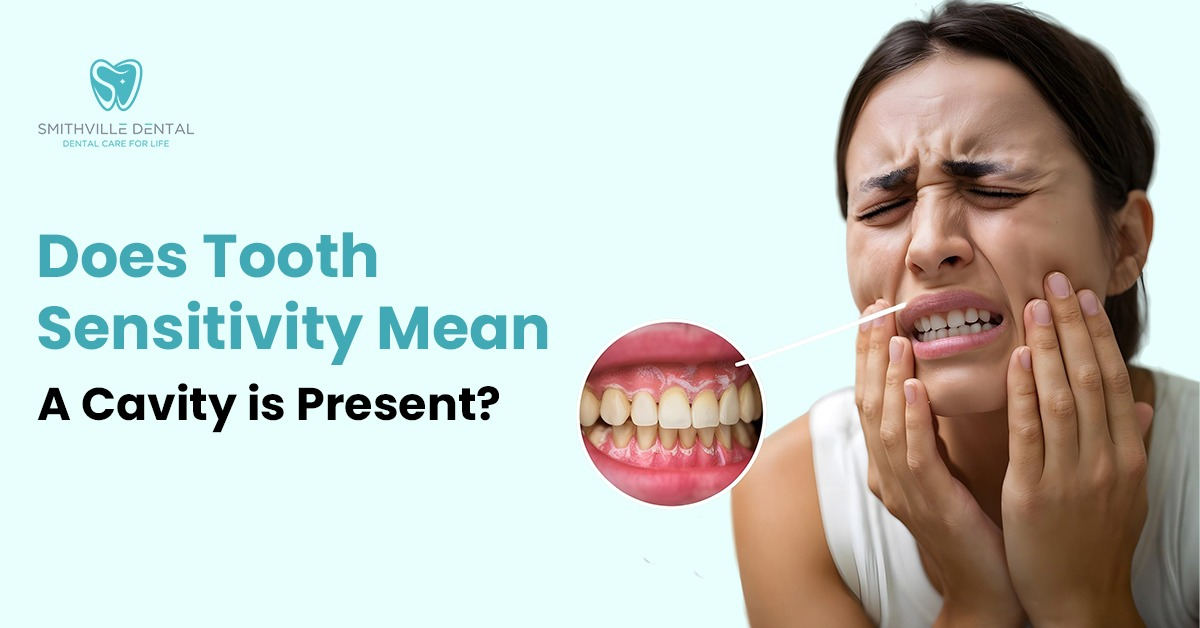
Most people know that sudden tooth sensitivity can feel like a red flag. A sip of cold water or a bite of something sweet sends a quick jolt through the teeth. It’s uncomfortable. But here’s the real question: is it just a minor sensitivity, or could it be the early warning sign of something more serious?
This is where the confusion starts. A lot of people think that if they feel any kind of sharp pain in their teeth, this automatically means that they are developing a cavity. This isn’t the case. The distinction between periodic sensitivity and potentially problematic dental conditions is imperative for protecting your smile.
Let’s break down the real reasons behind tooth pain and how to know if it’s time to see a dentist in Smithville TX.
Cold Drinks Hurting Your Teeth? Here’s What Could Be Happening
Tooth sensitivity is often caused by enamel erosion or gum recession. Both conditions expose the dentin layer of the tooth, which contains tiny tubules that lead straight to your nerves. As a result, hot or cold temperatures, acidic foods, or even brushing too hard can trigger sharp, temporary pain.
In most cases, this pain lasts only a few seconds and disappears once the stimulus is gone. If you’re dealing with this kind of reaction, it’s more likely to be dentin hypersensitivity and not a cavity.
That said, chronic or worsening sensitivity should not be ignored. The root cause could be more than just thin enamel. It might be the start of decay.
Watch for These Cavity Clues
Okay, this is when things can get serious. Pain that is limited to one tooth, is deep, or lingers when the cold or heat is no longer present, may be caused by a cavity. Cavities result when plaque and bacteria attack the enamel and begin to eat away at the interior of the tooth.
These are the signs that distinguish simple sensitivity from something that needs treatment.
Ask yourself:
- Is the pain in one specific area?
- Does the pain return again and again?
- Does biting down make it worse?
If the answer is yes, then it’s time to think about scheduling a checkup with a dentist in Smithville TX.
These are some of the early symptoms that signal trouble. And this is exactly where the keyword does cold sensitivity mean cavity becomes more than just a search term. It becomes a real concern.
Long-Term Damage Is Avoidable, But Only If You Act Early
Ignoring dental pain is never a good idea. Even if it feels manageable, waiting too long to get it checked could mean bigger problems down the road. Untreated cavities grow. They get deeper, reach nerves, and may even lead to infection.
On the other hand, early diagnosis could mean a simple fluoride treatment or filling. And if the issue is sensitivity alone, a change in toothpaste, a fluoride rinse, or dietary adjustments might be all that’s needed.
So yes, the question does tooth sensitivity mean cavity is worth asking. But it’s better answered by a professional who knows what to look for.
Don’t Guess, Get It Checked
It shouldn’t be a mystery whether or not the tingling tooth is a cavity. Perhaps pain has now become a part of your daily routine. Maybe the pain won’t go away or feels unlike what you’re accustomed to. It’s high time you made a dentist appointment.
The staff at Smithville Dental recognizes such concerns. They are a trusted dentist in Smithville TX, providing full exams and early detection and diagnosis.